The Language of Flowers in China
Flowers in China are often associated with different seasons, deities, and spiritual beliefs. For instance, different flowers are given as gifts during various festivals and ceremonies, each flower expressing well-wishes or conveying messages of peace, fortune, or harmony. They are also an essential part of Chinese art, where their depiction in paintings, poetry, and decorative arts often tells a deeper story about life's cycles, beauty, and the spirit.
Tree Peonies: The "Emperor of Flowers"
Among all the flowers revered in Chinese culture, the tree peony (Mudan) is perhaps the most celebrated. Known for its stunning beauty and grandeur, the tree peony is considered the "Emperor of Flowers." It holds a prominent place in Chinese gardens, paintings, and cultural practices. The tree peony represents wealth, fortune, luck, and prosperity. It is often regarded as a symbol of honor and nobility, closely associated with the virtues of success and happiness.
The yellow tree peony (Yao Huang) is a particularly esteemed variety, often referred to as the "Emperor of Emperors." This peony variety is characterized by its noble and elegant appearance, with its radiant petals resembling the majestic presence of a dragon in flight. The Yao Huang is not just an exquisite flower, but a symbol of ultimate grace and power, often earning it the title of "the national beauty" or "the King of Flowers" in Chinese culture.
Symbolism of Peonies
In addition to their physical beauty, tree peonies carry deep symbolic meanings in Chinese culture. The peony is often associated with good fortune and family harmony, and it is said to bring prosperity to those who cultivate or receive it. Because of its association with wealth and nobility, it is often depicted in traditional Chinese art, especially in works of painting and porcelain.
Rituals and Gift-Giving
In Chinese customs, flowers are not only appreciated for their aesthetic value but also for the messages they convey. Giving flowers as gifts is an important practice during various occasions, such as weddings, festivals, and New Year's celebrations. The choice of flowers can signify the giver's good wishes, such as red peonies symbolizing wealth, lotus flowers representing purity and enlightenment, and chrysanthemums symbolizing longevity and endurance.
Flowers also feature prominently in traditional Chinese medicine and landscape design. The blooming of a particular flower at the right time can hold auspicious meanings, and flowers are often used in ceremonies to invite good fortune or to celebrate life's most important milestones.
The Role of Flowers in Art
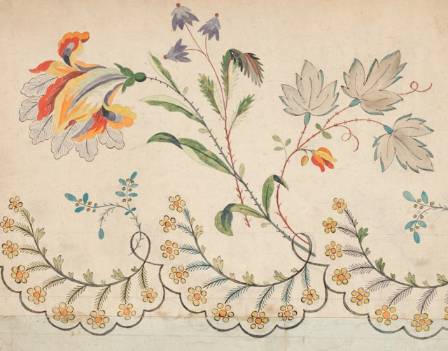
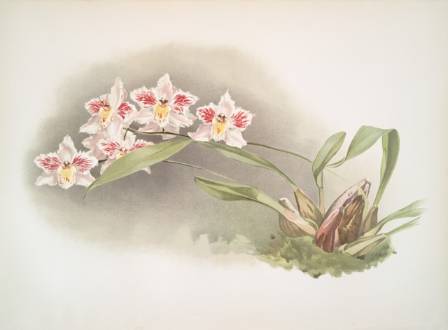
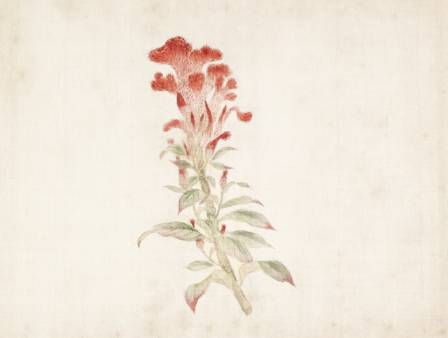
Chinese artists have long celebrated flowers in their works, particularly in traditional flower and bird paintings. These works often blend the beauty of nature with deeper symbolic meanings, where flowers, birds, and insects interact in a harmonious way. In these paintings, the peony, for example, is often depicted as a symbol of wealth and status, placed alongside other elements of nature that carry their own symbolism, such as the orchid (representing elegance) or the plum blossom (representing perseverance and hope).
Conclusion
Flowers are not merely decorative in Chinese culture—they are imbued with symbolism that reflects the values and traditions of the people. The tree peony, as the "Emperor of Flowers," is a particularly powerful symbol, representing wealth, prosperity, and the beauty of nature itself. The rituals surrounding flowers in China, from their gifting to their depiction in art, are a testament to the deep connection between Chinese people and the natural world around them.