फील्ड रिपोर्ट
Nature’s Beach Umbrellas
Along tropical coastlines where sand meets sea, one silhouette rises again and again—tall, swaying, unmistakable. The coconut palm is more than a postcard motif. It is a living emblem of coastal life: equal parts beauty, resilience, and utility. Whether standing in tight ranks or arching alone over tidal shallows, these trees shape the very identity of islands. They cast more than shadows; they cast history, memory, and quiet protection.
Marisa Hale
लेखक
प्रकृति नोट
नीचे पूरी वन्यजीव कहानी या रिपोर्ट पढ़ें।
विषय
वन्यजीव
Along tropical coastlines where sand meets sea, one silhouette rises again and again—tall, swaying, unmistakable. The coconut palm is more than a postcard motif. It is a living emblem of coastal life: equal parts beauty, resilience, and utility. Whether standing in tight ranks or arching alone over tidal shallows, these trees shape the very identity of islands. They cast more than shadows; they cast history, memory, and quiet protection.
Sentinels by the Sand
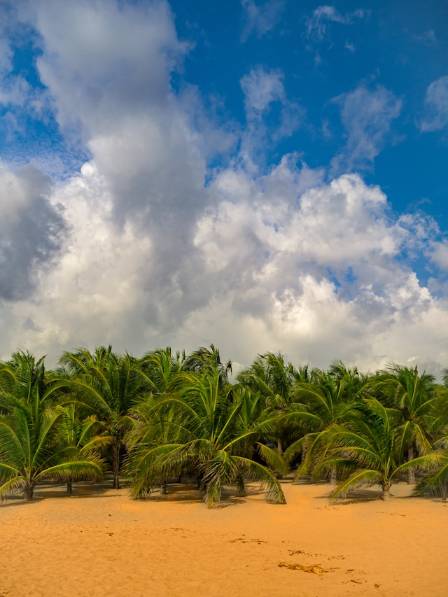
On one golden shore, a dense line of palms stretches across the horizon, each frond fluttering like a green flag in the warm sea wind. Beneath them, the sand glows with the late-afternoon sun, and the forest of trunks feels almost ceremonial—like a natural colonnade guarding the coast. These trees don’t just survive here; they belong here.
The Bent One Speaks
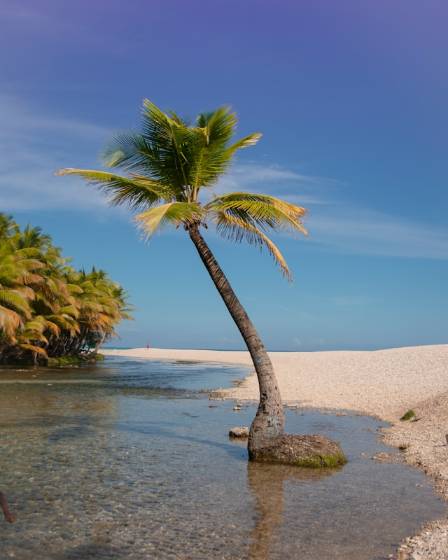
In contrast, just beyond a tidal stream, a single palm stands apart—curved like a bow, reaching toward the sea. Its silhouette speaks of time, of light, of longing. The tree’s lean is no accident—it’s the result of phototropism, the slow stretching of life toward the sun. Year by year, its trunk bends forward, a gesture both graceful and determined.
It feels like a quiet witness: to the tides, to storms, to stories whispered in the surf.
Where Function Meets Fantasy
But the palm is more than decoration. It is a coastal engineer, a food source, and a cultural icon. Naturalists, like those aboard Lindblad Expeditions, remind us that its root systems stabilize fragile beaches. Its shade shelters seedlings. Its fruit, husk, wood, and leaves sustain communities across the tropics.
To many island peoples, the coconut tree is not just useful—it’s sacred. It’s sung about, danced around, and carved into ritual tools. It gives, and gives, and gives.
Holding Secrets in the Breeze
These trees are silent but not mute. The grooves in their trunks are records of time. The palms flutter like pages. Their shade has cooled fishermen, wanderers, and storytellers. Beneath them, lovers have rested and storms have passed.
They are living archives of their coastlines.
Nature’s Design, Timeless Grace
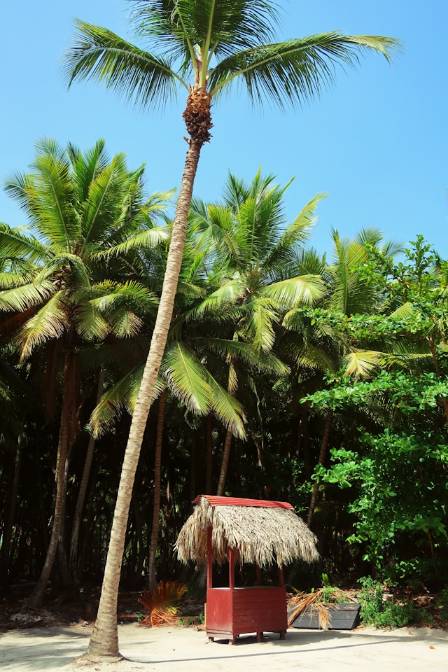
Whether rising in groves beneath vast skies or curving alone into the breeze, coconut palms are nature’s original beach umbrellas. They shield the shore, offer sustenance, and create a rhythm in the landscape that feels both eternal and intimate.
So the next time you spot one swaying beside the sea, remember: it is more than a tree. It is a witness, a protector, and a gift from the ocean’s edge.
इसी जंगल से और

· hi
अलग-अलग ज़माने की टॉप हाई-राइज़ बिल्डिंग्स 2026
सचिन
· hi
वनस्पति चित्रण मार्गदर्शिका: मेपल के पत्ते का विस्तृत रेखाचित्र बनाना
स्वाति सोनी

· hi
शीर्ष 10 प्राकृतिक चमत्कार
मोहेन
· hi
वर्ल्ड माइग्रेटरी बर्ड डे 2025
प्रकाश

· hi
2025 के बाजार में 10 सबसे आरामदायक कारें
विष्णु
· hi
दानेदार अनाज के विविध लाभ
आकांक्षा