फील्ड रिपोर्ट
Your Guide to Choosing and Caring for a Pet Tortoise
Tortoises are often chosen as pets because they are calm, quiet, adorable (especially when they are young), and do not leave hair around the home. However, owning a tortoise requires serious long-term responsibility. Many tortoise species can live between 50 and 100 years, meaning they may become a lifelong companion and could even outlive their owner.
Patrick Cooper
लेखक
प्रकृति नोट
नीचे पूरी वन्यजीव कहानी या रिपोर्ट पढ़ें।
विषय
वन्यजीव
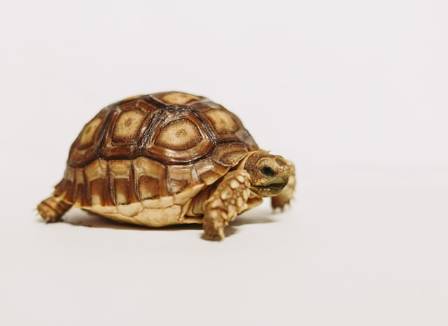
Tortoises are often chosen as pets because they are calm, quiet, adorable (especially when they are young), and do not leave hair around the home. However, owning a tortoise requires serious long-term responsibility. Many tortoise species can live between 50 and 100 years, meaning they may become a lifelong companion and could even outlive their owner.
Before bringing a tortoise home, it is important to understand the commitment involved and be prepared to provide proper care throughout its entire life.
Behavior and Personality
Most tortoises are gentle animals and usually have a peaceful nature. They can be shy, especially when placed in unfamiliar environments. However, keeping two male tortoises together is generally not recommended because males may become territorial and aggressive toward each other. Fighting can sometimes result in severe injuries.
Although young tortoises may appear small and easy to hold, frequent handling is not ideal. Excessive handling can cause stress and may negatively affect their health. Adult tortoises, especially larger species, can become too heavy to comfortably carry.
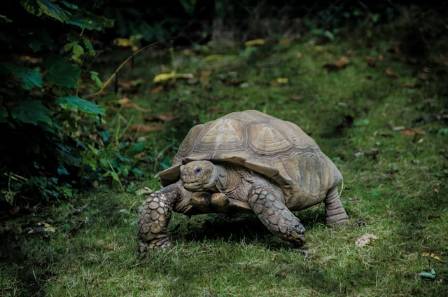
A major consideration when adopting a tortoise is its impressive lifespan. Large species such as the sulcata tortoise can live for 80 years or more, so owners should think carefully about who will care for the animal in the future.
Housing Requirements
Many tortoise species grow to a considerable size and need spacious living areas. Outdoor enclosures are usually the best option because tortoises naturally benefit from sunlight and fresh air. They are most suitable for regions with warm or moderate climates.
Depending on the species and local weather conditions, tortoises may need to be moved indoors during cold nights or winter periods. Providing suitable indoor space for large tortoises can be difficult. Some species also enter hibernation, which requires careful preparation and proper environmental conditions.
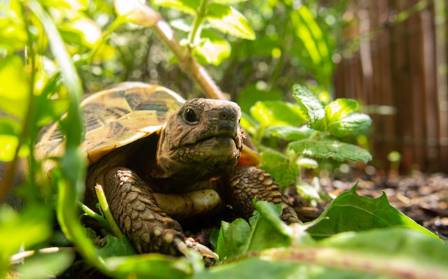
Outdoor enclosures should be secure and durable. Since many tortoises are excellent diggers, fences should extend below ground to prevent escapes. Stronger species can easily push through weak barriers.
Some tortoises are surprisingly capable climbers, so certain enclosures may require a covered top. The habitat should also protect them from predators such as dogs and other animals. Avoid placing toxic plants inside the enclosure, remove sharp objects, and keep small items away because they may accidentally be swallowed.
A tortoise enclosure should include a safe shelter, such as a heated outdoor house or shaded area, where the animal can hide and regulate its temperature. Water should always be available, but it should be shallow enough to prevent drowning.
Diet and Water Needs
Tortoises can be fascinating pets, but their feeding requirements can be demanding. Their diets vary depending on the species, and owners must provide appropriate nutrition with the correct balance of fiber, calcium, and phosphorus.
Many tortoises are enthusiastic eaters and require large quantities of food. Potential owners should consider the daily preparation time, availability of suitable foods, and long-term feeding costs before deciding to adopt one.
A healthy diet is essential because poor nutrition can lead to serious health problems, especially issues involving shell and bone development.
Choosing the Right Tortoise
As with other reptiles, captive-bred tortoises are usually the best choice when selecting a pet. Wild-caught tortoises often experience stressful capture and transportation conditions, which can weaken their health and increase the risk of disease.
In some areas, rescued tortoises may be available for adoption. Many of these animals come from owners who underestimated the amount of care, space, and commitment required.
Before introducing a new tortoise into a home with other tortoises, it should receive a veterinary checkup and remain separated for a period of observation. Some tortoise species can be aggressive toward others, especially when multiple males are housed together in limited space.
Selecting the right species is extremely important because different tortoises have different requirements for habitat size, temperature, lighting, diet, and hibernation. Popular pet species include Russian tortoises, red-footed tortoises, cherry head tortoises, sulcata tortoises, Greek tortoises, and radiated tortoises.
Thorough research should always be completed before choosing a specific species.
Common Health Issues
Like many reptiles, tortoises can suffer from respiratory infections. Wild-caught tortoises are especially vulnerable because they may have experienced poor sanitation and stressful conditions before reaching captivity.
A tortoise with a respiratory problem may become inactive, lose weight, stop eating, or develop mucus around its nose and mouth. Wheezing and unusual breathing sounds can also appear.
Respiratory infections usually require treatment from a reptile veterinarian and are often managed with antibiotics. During recovery, the tortoise must be kept in a warm and stable environment.
Another common condition is metabolic bone disease (MBD), which occurs when a tortoise does not receive enough calcium or proper nutrition.
Calcium, Sunlight, and Shell Health
Tortoises need exposure to ultraviolet light, especially UVA and UVB rays, to properly absorb calcium. In nature, they spend many hours basking in sunlight to maintain healthy bones and shells.
A lack of calcium or UVB exposure can cause noticeable shell problems. Young tortoises may experience slow or abnormal shell growth, while older tortoises may develop weak bones, difficulty moving, or fractures.
Metabolic bone disease can often be improved if treated early. A veterinarian may recommend increasing calcium intake, improving diet quality, and providing more natural sunlight or proper UV lighting.
Providing the right environment, nutrition, and medical care is essential for helping a pet tortoise live a long and healthy life.
इसी जंगल से और

· hi
किसी भी घर (यहां तक कि एक छोटे से अपार्टमेंट) में एक आरामदायक रीडिंग नुक्कड़ कैसे बनाएं
रोहन

· hi
2025 के लिए सर्वश्रेष्ठ मिड-साइज़ SUV
निर्मल
· hi
श्रिम्प के हेल्थ बेनिफिट्स
चेतन

· en
A Good Bowl of Borscht Can Change Your Life
Benjamin Ravenswood

· en
French Macarons: A Classic Bakery Treat You Can Make at Home
Ocean Reed

· hi
6 लोकप्रिय मातृ दिवस के फूल (और वे वास्तव में क्या मतलब है!)
सिया