फील्ड रिपोर्ट
Discovering Asia's Most Stunning Rice Terraces
Asia's landscapes are adorned with extraordinary rice terraces that not only showcase the ingenuity of ancient agricultural practices but also offer breathtaking vistas. These terraces, carved into the mountainsides over centuries, are a testament to the harmonious relationship between nature and human endeavor. From the emerald fields of Vietnam to the golden hues of Indonesia, each terrace tells a unique story of culture, tradition, and resilience. Embarking on a journey through these terraces promises an unforgettable experience, where every step unveils a new facet of Asia's rich heritage.
Ethan Cole
लेखक
प्रकृति नोट
नीचे पूरी वन्यजीव कहानी या रिपोर्ट पढ़ें।
विषय
वन्यजीव
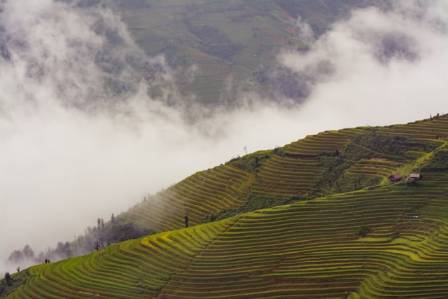
Asia's landscapes are adorned with extraordinary rice terraces that not only showcase the ingenuity of ancient agricultural practices but also offer breathtaking vistas. These terraces, carved into the mountainsides over centuries, are a testament to the harmonious relationship between nature and human endeavor. From the emerald fields of Vietnam to the golden hues of Indonesia, each terrace tells a unique story of culture, tradition, and resilience. Embarking on a journey through these terraces promises an unforgettable experience, where every step unveils a new facet of Asia's rich heritage.
Sapa, Vietnam: A Tapestry of Culture and Nature
Nestled in the northern highlands of Vietnam, Sapa is renowned for its expansive rice terraces that cascade down the mountains like a natural staircase. These terraces are meticulously cultivated by the Hmong, Dao, Tay, and Ha Nhi ethnic groups, whose rich traditions and vibrant cultures add depth to the landscape. The best time to visit is during the harvest season in late autumn when the fields turn a brilliant golden yellow, creating a mesmerizing contrast with the surrounding misty mountains. Beyond the terraces, Sapa offers opportunities to explore local markets, engage with indigenous communities, and trek the majestic Fansipan Mountain, the highest peak in Indochina.
Mu Cang Chai, Vietnam: A Hidden Gem for Adventurers
Located approximately 300 kilometers from Hanoi in Yen Bai province, Mu Cang Chai is a haven for those seeking an authentic rural experience. The journey to this remote area involves traversing the winding Khau Pha Pass, renowned for its challenging curves and dramatic elevation changes. However, the effort is rewarded with panoramic views of terraced fields that transform from vibrant green to rich gold during the harvest season. The region is predominantly inhabited by the Tay and Hmong people, whose traditional lifestyles remain largely unchanged, offering visitors a glimpse into a way of life that has persisted for generations.
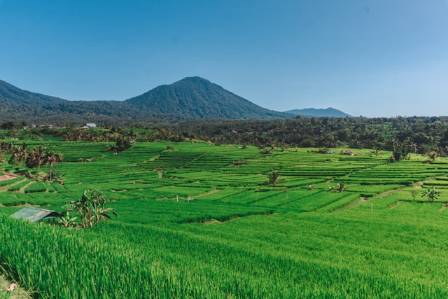
Tegalalang, Bali, Indonesia: Serenity Amidst the Jungle
Just a short drive north of Ubud, Tegalalang's rice terraces are a serene escape into Bali's lush interior. Surrounded by towering palm trees and dense jungle, these terraces are a photographer's paradise, especially during the dry season from April to October. The intricate irrigation system, known as subak, is a UNESCO-recognized cultural heritage that showcases the Balinese philosophy of harmony between humans and nature. Visitors can stroll through the terraces, enjoy traditional Balinese cuisine at nearby cafes, and immerse themselves in the tranquil ambiance that defines this region.
Hamanoura, Saga, Japan: Terraces by the Sea
In the coastal town of Hamanoura in Saga Prefecture, the rice terraces offer a rare combination of agricultural beauty and oceanic vistas. These terraces, facing the Genkai Sea, are particularly stunning during the early spring when they are filled with water, reflecting the sky and creating a mirror effect. The sight of the terraces against the backdrop of the sea is a photographer's dream. The area is accessible by train or bus, followed by a short walk, making it a convenient yet picturesque destination for travelers seeking a unique experience.
Longsheng, Guangxi, China: The Dragon's Backbone
Known as the "Dragon's Backbone," the Longsheng Rice Terraces in Guangxi Province are a marvel of engineering and natural beauty. Carved into the mountains over 650 years ago, these terraces resemble the scales of a dragon winding up the hillside. The terraces are irrigated by a sophisticated system of canals and aquifers, ensuring a steady water supply throughout the year. The surrounding area is home to several ethnic minorities, including the Zhuang and Yao peoples, whose traditional customs and festivals add cultural richness to the landscape. The best time to visit is during the spring and autumn months when the terraces are either lush green or golden yellow.
Banaue, Ifugao, Philippines: The Eighth Wonder
Often referred to as the "Eighth Wonder of the World," the Banaue Rice Terraces in Ifugao Province are a UNESCO World Heritage Site that showcases the ingenuity of the Ifugao people. These terraces, believed to be over 2,000 years old, were carved into the mountainsides using simple tools and techniques passed down through generations. The terraces are fed by an ancient irrigation system that channels water from the rainforests above. Visitors can explore the terraces, learn about the traditional farming methods, and experience the rich cultural heritage of the Ifugao community.
Honghe Hani, Yunnan, China: A Living Cultural Landscape
The Honghe Hani Rice Terraces in Yunnan Province are a testament to the harmonious relationship between the Hani people and their environment. Spanning over 16,000 hectares, these terraces are meticulously maintained through an intricate system of canals and aquifers. The terraces are not only an agricultural marvel but also a cultural landscape that reflects the Hani people's spiritual beliefs and social structure. The best time to visit is during the spring when the terraces are filled with water, creating a reflective surface that enhances the visual appeal of the landscape.
Banaue, Ifugao, Philippines: The Eighth Wonder
Often referred to as the "Eighth Wonder of the World," the Banaue Rice Terraces in Ifugao Province are a UNESCO World Heritage Site that showcases the ingenuity of the Ifugao people. These terraces, believed to be over 2,000 years old, were carved into the mountainsides using simple tools and techniques passed down through generations. The terraces are fed by an ancient irrigation system that channels water from the rainforests above. Visitors can explore the terraces, learn about the traditional farming methods, and experience the rich cultural heritage of the Ifugao community.
Conclusion
Asia's rice terraces are more than just agricultural fields; they are living landscapes that embody the history, culture, and resilience of the communities that have cultivated them for centuries. Each terrace offers a unique glimpse into the harmonious relationship between humans and nature, showcasing the ingenuity and traditions that have shaped these regions. Whether you're an avid traveler, a photography enthusiast, or someone seeking to connect with diverse cultures, exploring these terraces promises an enriching and unforgettable experience.
इसी जंगल से और
· hi
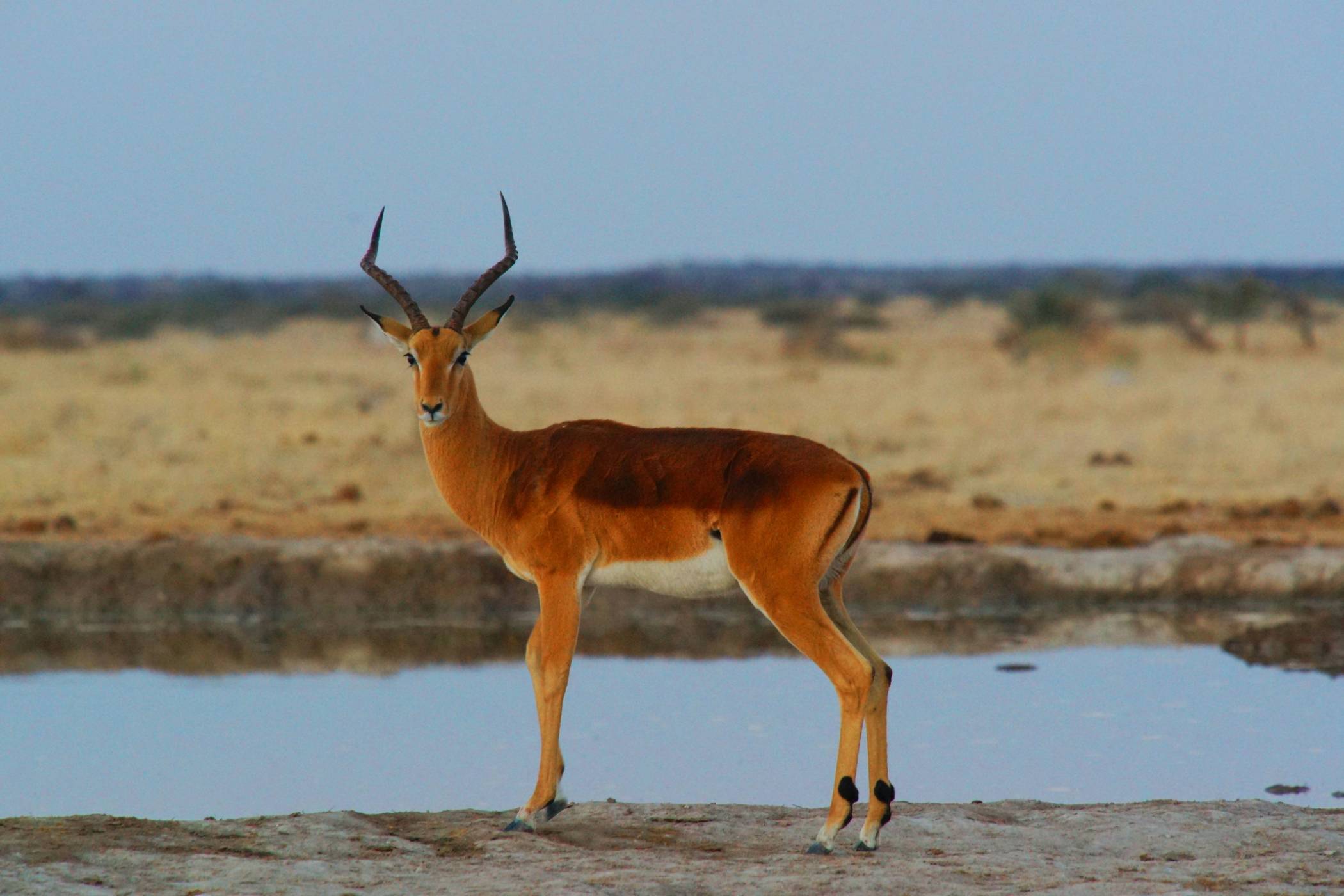
बच्चों के लिए मृग तथ्य
दीप्ति
· en
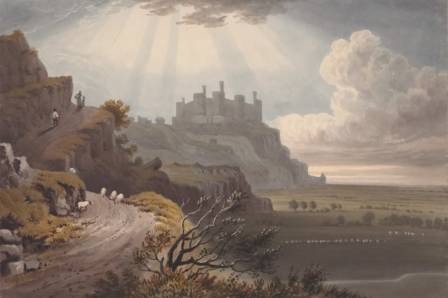
The Timeless Beauty of Castle Art
Henry Jameson Clarke
· hi
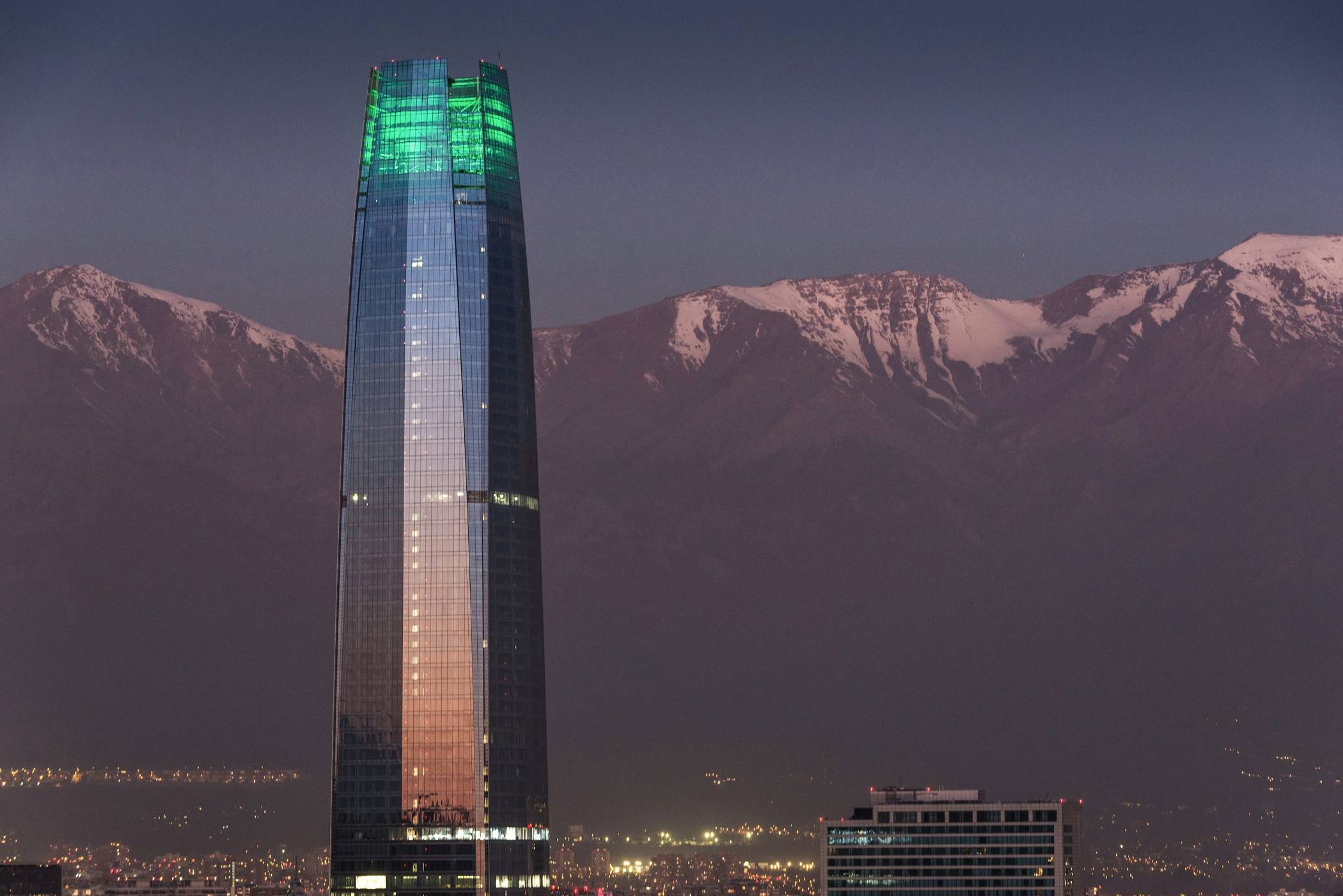
संयुक्त राज्य अमेरिका की 10 सबसे ऊंची इमारतें
बलराम

· en
Curating Coastal Serenity: The Art and Science of Ocean Sunset Wall Decor
Noah Campbell
· hi
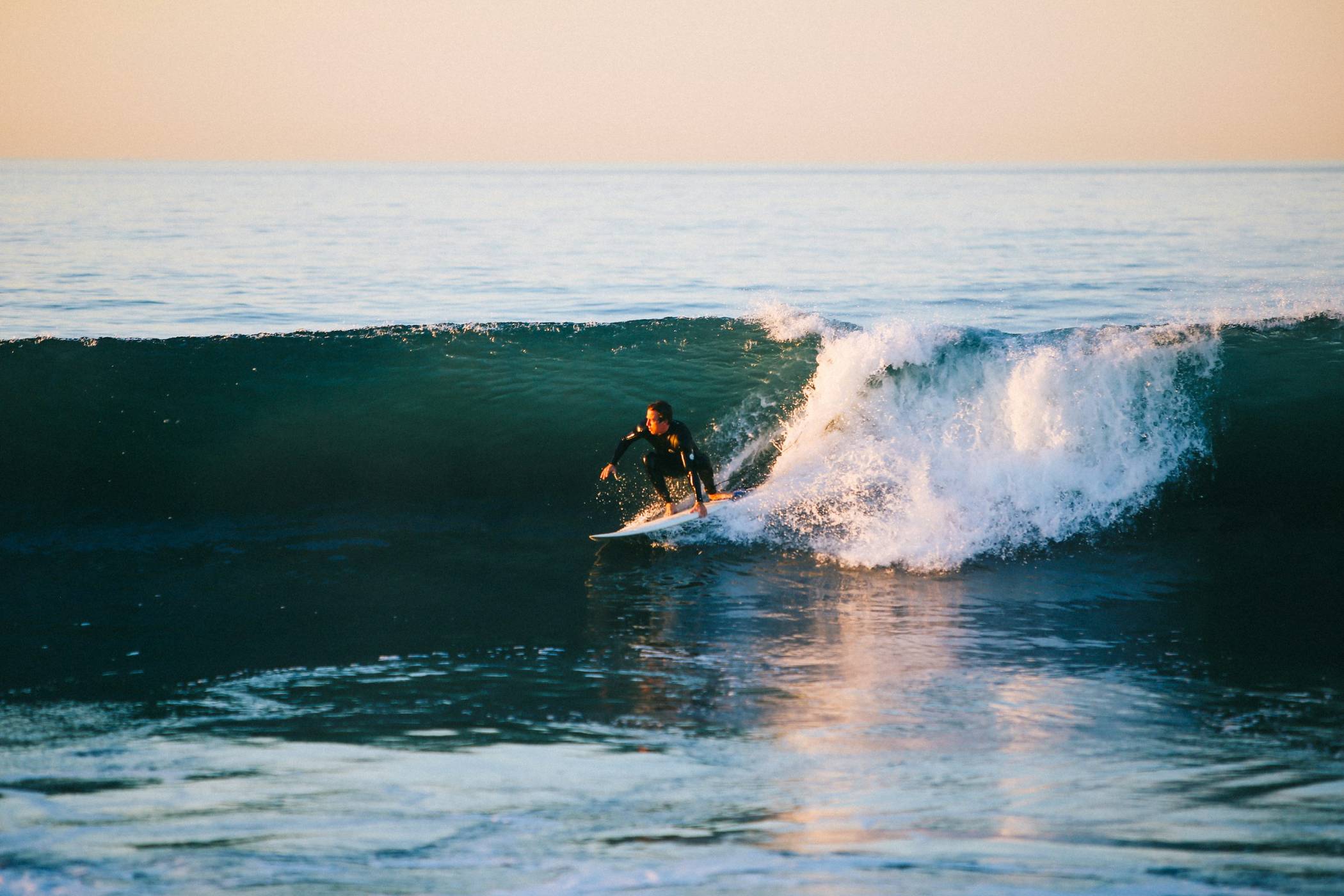
दुनिया के शीर्ष दस सर्फिंग स्थल
प्रिया

· hi
इनलाइन स्ट्रीट स्केटिंग के लिए 6 आवश्यक कौशल
अमित