फील्ड रिपोर्ट
Secrets of the Wild Swan and Why These Graceful Birds Are Secretly Terrifying
People across the globe love swans for their incredible beauty.
Brooks Maya
लेखक
प्रकृति नोट
नीचे पूरी वन्यजीव कहानी या रिपोर्ट पढ़ें।
विषय
वन्यजीव
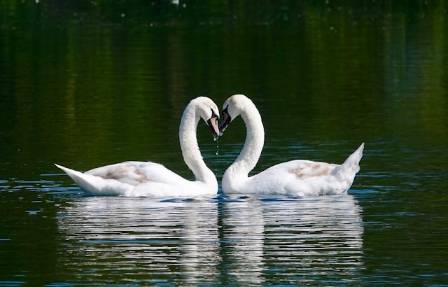
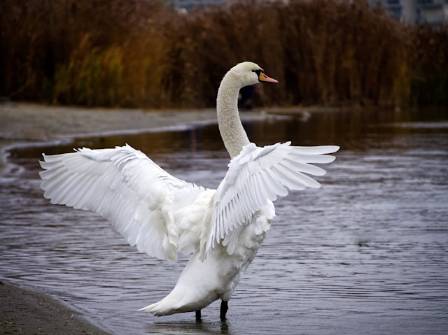
People across the globe love swans for their incredible beauty. They admire their elegant grace and lifelong loyalty. However, these massive waterbirds are also highly territorial. They can become remarkably loud. These large creatures thrive in wetland habitats across almost every continent except Antarctica. They feature an elegant posture and an elongated neck. These traits endear them to many global cultures. They belong to the waterfowl family alongside ducks and geese. They are exceptionally strong flyers. Many species fly across international borders to breed. Their webbed feet make them highly efficient swimmers. Yet they often display a very awkward waddle on dry land. All species possess long necks. Mute swans bend theirs into an exaggerated shape. Two birds touching heads to create a heart shape is an iconic romantic image. However, those long necks can quickly lunge forward to bite any animal that gets too close. A female swan is known as a pen. A male is called a cob. They share identical feather colors. This makes the sexes very difficult to tell apart. The male is generally larger than his mate. They enjoy long lifespans for birds. The oldest recorded wild individual lived for forty years in Denmark. The global conservation status for all species sits at least concern. However, specific regional populations face a serious risk of extinction. The Bewick swan population in Europe is one example. Whooper swans move well on dry land. In contrast, mute swans move with a clumsy waddle. Their mating rituals look elegant on the surface. Yet the actual process is clumsy and difficult. The male grips the female by her neck feathers. He climbs onto her back. This action often forces her underwater. She must struggle to surface afterward. These heavy birds can launch into flight from land or water. Mute swans can glide across the water surface at high speeds before lifting off. Threatened swans will expand their wings wide. They run directly toward the danger. Trumpeter swans hold their wings straight out like an airplane. A typical individual has about twenty five thousand feathers. Most of these are tiny feathers located on the head and neck. They use a special gland near their tail to produce oil. They spread this oil across their body to create a waterproof coat. An old medieval myth claims that a dying swan sings a beautiful song. People often linked this myth to the mute swan. Modern science has found zero evidence to support this ancient tale. Trumpeter swans nearly went extinct in North America due to hunting and habitat loss. Dedicated conservation projects saved them. Today they are highly abundant again.
Master Flyers of the Waterfowl Family
They rank among the heaviest flying birds on Earth. They are incredibly powerful in the air. Some species cover massive distances to breed. They are the fastest members of the waterfowl family. Their flight speeds can reach ninety six kilometers per hour. Like most birds, they have hollow bones. This design assists with flight and buoyancy. They possess fewer bones relative to their size compared to mammals. When they migrate, they fly in a distinct V formation. They utilize different altitudes during their journeys. Tundra swans can fly at incredible heights. This approach helps them conserve energy. Their flight feathers are essential for survival. Damaging more than four outer feathers can ground a bird permanently. They shed all their flight feathers once a year. This molting phase leaves them grounded for about six weeks. Despite their skills, they are highly accident prone. Mid-air collisions with power lines and wind turbines cause many deaths. Other threats include lead poisoning, bird flu, and oil spills. Some even break their hips during rough crash landings.
Deep Diving Feeding Habits and Strange Traits
These waterbirds primarily eat aquatic plants. They tip their bodies forward in the water to feed. They plunge their long necks deep under the surface to gather vegetation. During the winter, they supplement their diet by raiding farmer crops. They happily eat potatoes and cereal grains. They also consume small insects, tiny fish, and earthworms. Snails and tadpoles form a minor part of their diet. Young babies rely on insects and crustaceans for essential protein. Humans can feed them fresh rolled oats or bread. It is best to avoid feeding nesting birds. Extra food can attract dangerous pests to the nest site. They do not possess real teeth. Instead, their bills feature serrated edges. These ridges help filter food out of the mud. They have a muscular stomach organ called a gizzard. This organ grinds down tough grains. They also use their large webbed feet to dig up underwater plants. They usually drink fresh water but can survive on seawater. They have a special gland near their eyes. This system filters excess salt out of their blood. They excrete the salt through small holes in their bills.
Complex Love Lives and Family Devotion
They usually choose a partner for life. They raise multiple families together over the years. They perform unique courtship dances to strengthen their relationship. Scientists believe a strong monogamous bond makes them better parents. They learn effective co-parenting skills over time. Couples occasionally separate after a breeding failure. This happens if eggs fail to hatch or a nest gets destroyed. They will find a new mate within six months. Black swans are much less loyal to their partners. Research shows that one in six chicks is fathered by an outside male. Parents form incredibly tight bonds with their young. The babies stay with their parents for up to ten months. Eventually, the adults aggressively chase them away. Their courtship rituals involve synchronized swimming. They dip their heads and swing their necks side to side. They also bow together to create the famous heart shape. However, male rivals can also form this heart shape during aggressive stand-offs.
The Real Power Behind a Swan Wing
Many legends claim a swan can easily break a human arm. This idea is slightly exaggerated. However, their wings are incredibly strong. They feature a hard bone at the wing joint. A strike with full force can cause severe bruising on a human body. Young children and the elderly face the highest risk because of weaker bones. Attacks on humans remain extremely rare. They usually only attack when defending their nest or young. They aim to scare away threats by beating their powerful wings.
Exploring Global Species and Migration Journeys
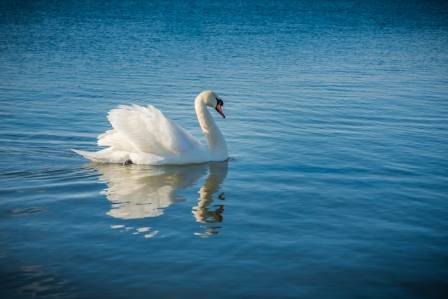
The planet hosts six to eight distinct species depending on classification. Mute swans, whooper swans, and tundra swans live in the northern hemisphere. Black swans and black-necked swans inhabit the southern hemisphere. Most species display pure white feathers. The exceptions are the dark species from the south. Beak colors vary from yellow and orange to bright red. The whistling swan lives in North America. The Bewick swan lives in Eurasia. The mute swan remains the most recognizable species. It has orange bills, a curved neck, and arches its wings backward. They are often considered the largest species. However, trumpeter swans can grow even heavier. The smallest type is the coscoroba swan from South America. Scientists recently moved it to a separate genus. It shares a closer relationship with geese than true swans. Black swans are incredibly common in Australia. They have a stable population. They look completely black when swimming. They reveal bright white wingtips during flight. The term black swan once described an impossible event. European explorers were shocked to discover them in the late 1600s. Today the term describes unpredictable socioeconomic disasters. Most populations migrate long distances to breed. Tundra swans can travel over six thousand kilometers. Bewick swans migrate from northern Russia to Western Europe to escape harsh winters. These journeys are incredibly dangerous due to shrinking wetlands and illegal hunting.
The Diverse Sounds and Nesting Secrets of the Wetlands
Their voices sound like double-reed wind instruments. They can honk like a trumpet or hiss like an angry cat. They also make rapid clicking noises with their bills. Adult pairs become highly vocal during triumph ceremonies. Baby swans make quiet peeping sounds instead. Mute swans are not actually silent. Their wings make a heavy whistling sound during flight. This noise helps the flock stay together in heavy fog. Their long windpipes naturally amplify their vocal volume. Trumpeter swans sound like a loud army bugle. Eggs take up to forty two days to hatch. The female incubates the eggs while turning them with her beak. The male guards the nest like a fierce watchdog. This defense is vital because the white female is highly visible to predators. They lay up to eight eggs in large nests built near shallow water. Mute swan nests can reach three meters wide. The female can lose a third of her body weight during the incubation period. Foxes and raccoons constantly target the unprotected eggs. However, human disturbance remains the biggest threat to their survival. Fluffy grey babies emerge from the shells. They instantly imprint on their mother. They can walk and leave the nest almost immediately. Parents take them on their very first swimming lesson within forty eight hours.