← मुख्य पन्ना3 मिनट का पाठ
फील्ड रिपोर्ट
The Evolution of Skiing: From Ancient Necessity to Modern Sport
The exact origins of skiing are difficult to pinpoint, as it likely emerged in several regions independently. What we do know is that skiing has existed for thousands of years. More than 8,000 years ago, communities in parts of northern Russia and Central Asia crafted wooden planks resembling skis to move across snowy landscapes.
B
Brian Matthews
लेखक
प्रकृति नोट
नीचे पूरी वन्यजीव कहानी या रिपोर्ट पढ़ें।
विषय
वन्यजीव
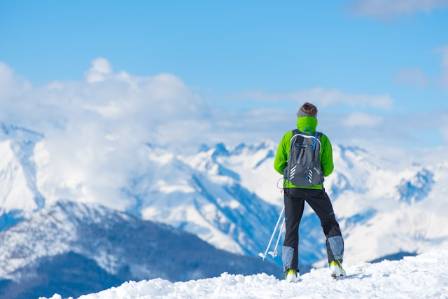
Early Traces on Snow
The exact origins of skiing are difficult to pinpoint, as it likely emerged in several regions independently. What we do know is that skiing has existed for thousands of years. More than 8,000 years ago, communities in parts of northern Russia and Central Asia crafted wooden planks resembling skis to move across snowy landscapes.
Archaeological discoveries and rock carvings in Scandinavia also provide evidence of early skiing, dating back to around 4000 BC. At that time, skis were strictly utilitarian – used to hunt, travel, and connect remote settlements during harsh winters.
The Rise of Modern Skiing
In the Middle Ages, skis became most prominent in northern Europe, especially in Norway, where they were indispensable for daily life. The word “ski” itself comes from Norwegian, originally meaning “split piece of wood,” reflecting the material used in early designs.
By the 18th century, Norwegian military units incorporated skis into training and operations, sparking some of the earliest ski contests. During the 19th century, skiing slowly transformed into a leisure pursuit, though it initially resembled modern cross-country skiing more than downhill. A key innovator was Sondre Norheim, who introduced the Telemark technique and created new binding systems, making skiing more agile and versatile.
By the late 19th century, skiing spread to Central Europe, particularly the Alps. Alpine skiing emerged independently from Nordic traditions, using shorter skis, stronger bindings, and methods tailored to steep terrain. In Austria, Mathias Zdarsky played a pivotal role in shaping alpine skiing, publishing Lilienfelder Skitechnik in 1897, which laid the groundwork for today’s downhill techniques.
From Elite Competition to Popular Pastime
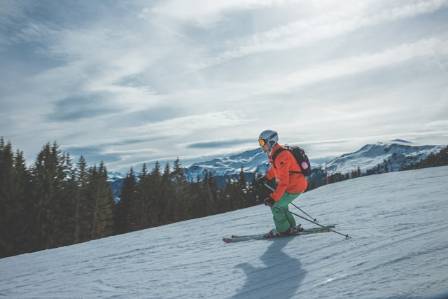
One of the most transformative moments in skiing’s history was the introduction of ski lifts. Beginning in 1908, lift systems made climbing slopes much easier, paving the way for modern ski tourism.
Around the early 20th century, ski clubs began forming across German-speaking countries. Competitive skiing grew in popularity, fueling public interest in winter sports. At the first Winter Olympic Games in 1924, cross-country skiing and ski jumping debuted as Olympic events. Alpine skiing joined the program in 1936, with downhill and slalom races, later followed by new disciplines such as giant slalom, Super-G, freestyle skiing, and ski cross.
From Exclusive Luxury to Mass Participation
The 1950s and 60s marked a golden era for skiing, as winter sports experienced explosive growth. Networks of ski lifts expanded rapidly, ski schools and hotels multiplied, and more families began spending vacations in the mountains. Advances in equipment – including steel edges, improved safety bindings, and eventually carving skis – enhanced performance, comfort, and safety for all levels of skiers.
Skiing in the Present: Tradition Meets Technology
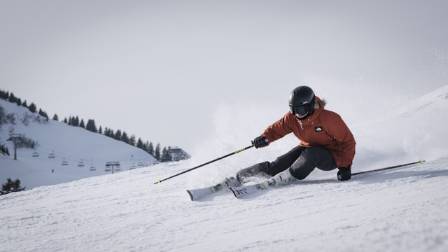
Today, skiing holds a central place in winter recreation and competitive sport. In Alpine and Scandinavian regions, it is deeply intertwined with cultural heritage, while far beyond Europe – in Japan, North America, and elsewhere – skiing has become a global pastime.
Technological innovations continue to shape the sport: carving skis, advanced binding systems, helmets, and digital tools like slope-tracking apps and avalanche alerts have made skiing safer and more enjoyable. At the same time, winter tourism has become a cornerstone of local economies, providing jobs and supporting infrastructure in mountain regions.
On the competitive stage, skiing thrives through events such as the FIS Ski World Cup and the Winter Olympics, which attract global attention and showcase elite athleticism. Traditional races, like the famous Hahnenkamm in Kitzbühel, remain prestigious highlights on the winter sports calendar.
However, skiing also faces pressing challenges. Climate change threatens snow reliability and shortens seasons, driving resorts to rely more heavily on artificial snow and new adaptation strategies. As a result, sustainability and environmental responsibility have become key priorities, ensuring that skiing can endure for generations to come.
इसी जंगल से और

· hi
दुनिया की 12 सबसे खूबसूरत सड़कें जो आपको अपने रास्ते पर रोक लेंगी
सुमेध

· hi
10 मज़ेदार तथ्य जो आपको गिलहरियों की सराहना करने पर मजबूर कर देंगे
दीपा

· en
Electric coupe crossovers on sale now or in the near future
Alistair Finch
· hi
सबसे अच्छे साइकिलिंग स्टंट: क्या आप हिम्मत करेंगे?
नीहारिका

· hi
कलात्मक मार्गदर्शिका: नदी किनारे के ग्रामीण परिदृश्य का चित्रण
अंजलि दास

· hi
एक पेड़ को फिर से पानी कैसे दें: पानी की कमी वाले पेड़ की मरम्मत
मोहन