फील्ड रिपोर्ट
How to Draw Chibi Animals
Have you noticed how tiny, big-eyed cartoon animals instantly make you smile? Chibi animals are irresistibly cute and surprisingly easy to draw, making them perfect for beginners—even kids! These little creatures with oversized heads and tiny, stubby bodies are ideal for creating playful, fun artwork.
Quinn Sterling
लेखक
प्रकृति नोट
नीचे पूरी वन्यजीव कहानी या रिपोर्ट पढ़ें।
विषय
वन्यजीव
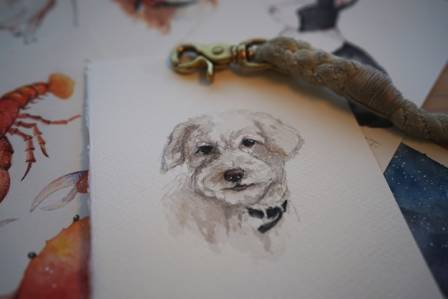
Have you noticed how tiny, big-eyed cartoon animals instantly make you smile? Chibi animals are irresistibly cute and surprisingly easy to draw, making them perfect for beginners—even kids! These little creatures with oversized heads and tiny, stubby bodies are ideal for creating playful, fun artwork.
This guide will make learning to draw chibi animals both enjoyable and simple. You’ll move from hesitant beginner to confident artist, sketching charming kawaii critters in no time. Grab a pencil, and let’s bring your chibi animal friends to life!
What Are Chibi Animals?
Chibi animals come from Japanese pop culture, where “chibi” means “small” or “short person.” This art style reimagines real animals as cute, miniature versions with exaggerated heads and tiny bodies.
Traditional animal proportions are completely altered in chibi art. Heads take up 50–70% of the body height, while limbs shrink into adorable, stubby appendages.
Key Difference
Understanding the difference between realistic and chibi-style drawings helps artists make purposeful stylistic choices. Realistic animal art emphasizes accurate anatomy, texture, and proportion, whereas chibi art focuses on charm, exaggeration, and simplicity.
Step-by-Step Chibi Animal Drawing Guide
To master chibi animal drawing, it’s essential to start with the basics. All chibi animals begin as simple geometric shapes stacked like building blocks.
1. Observe Real Animals First
Studying real animals gives your chibi creations a believable foundation despite exaggerated proportions. Watch how different species move, rest, and express emotion. Note details like a rabbit’s ear positions, a cat’s tail flicks, or a fox’s facial expressions—these unique traits bring your chibi animal to life.
Stylize Your Observations
Once you understand the real animal, exaggerate distinctive features while simplifying others. For instance, a fox’s pointy ears become oversized triangles, and its narrow snout shrinks into a tiny button nose.
2. Start With a Big Round Head
The head is the emotional center of a chibi animal. Draw a large circle that covers 60–70% of your character’s height. This oversized head triggers the “baby schema” response, making your character instantly endearing.
3. Create a Small Simplified Body
Chibi bodies are roughly one-third the size of realistic proportions, creating a charming top-heavy silhouette. Use simple shapes like ovals or pears. Slightly widen the chest to suggest breath and life, while tapering the rear for a soft, organic feel.
4. Round All the Shapes
Sharp angles break the approachable, cute aesthetic of chibi art. Smooth and round every element—from ears to tails—to maintain a gentle, kawaii look.
5. Simplify the Face With Big Eyes and Tiny Features
Chibi faces maximize emotional expression with minimal detail. Large eyes dominate the head, often taking up one-third of its space. Use these eyes to show personality with highlights and shape. Minimize noses and mouths to small dots, triangles, or subtle shading.
6. Add Personality With Poses
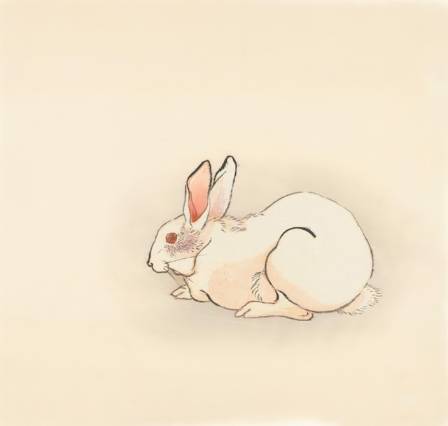
Creative poses enhance character. A sleepy bunny with droopy ears shows calmness, trust, and vulnerability. Crescent-shaped eyes convey contentment, while relaxed ears reinforce the theme.
Example: Chibi Rabbit
Start with a large head circle, taking up two-thirds of the total height.
Add long oval ears pointing slightly outward.
Draw a smaller oval body below and behind the head for depth.
Connect head to body with soft curves for the neck.
Position eyes about a third down from the top of the head.
Learn From Artists You Admire
Studying professional chibi and kawaii artists speeds up your learning. Observe how they handle proportions, colors, expressions, and accessories. Small details like a tiny backpack or a tilted hat can add character without cluttering your design.
Final Tips
Success in chibi drawing comes from regular practice and patience. Daily sketches—even for 10–15 minutes—are more effective than occasional long sessions.
Build Muscle Memory: Repetition makes drawing complex shapes feel natural.
Create a Reference Library: Keep digital folders of species, poses, and expressions for inspiration.
Balance Imitation and Originality: Copying masters teaches technique, but personal style emerges through your unique expression.
With consistent effort and imagination, you’ll soon create your own charming world of kawaii chibi animals!
इसी जंगल से और
· hi
त्रि-आयामी समुद्री सीप पैटर्न वाली कलाकृति बनाना
सोनल राजपूत

· hi
आठ नीला-पानी बच जाता है
जोनाथन थॉम्पसन

· en
Our Guide to Styling a Child's Room
Abigayle

· en
Mastering the Art of Mixing Bold Colors in Your Home: Insights from an Interior Designer
Calliope Maeve
· hi
मिठाई खाने के फायदे
रवि

· en
Defining the Future: Top 10 Technologies Set for Major Growth
Mitchell Green