फील्ड रिपोर्ट
Fun facts about horses
Anyone who has spent time with horses understands how extraordinary these animals are. For thousands of years, horses have played important roles in human history as loyal companions, transportation partners, working animals, and talented performers in equestrian sports. Although horses are familiar to many people, there are still plenty of fascinating details about them that may come as a surprise.
Clara Beaumont
लेखक
प्रकृति नोट
नीचे पूरी वन्यजीव कहानी या रिपोर्ट पढ़ें।
विषय
वन्यजीव
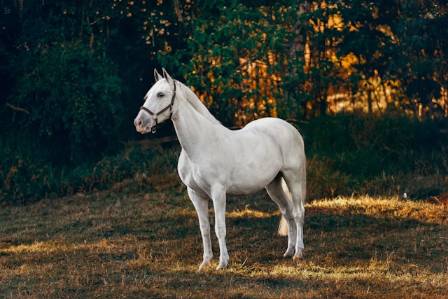
Anyone who has spent time with horses understands how extraordinary these animals are. For thousands of years, horses have played important roles in human history as loyal companions, transportation partners, working animals, and talented performers in equestrian sports. Although horses are familiar to many people, there are still plenty of fascinating details about them that may come as a surprise.
Horses Cannot Breathe Through Their Mouths
Unlike humans, horses are obligate nasal breathers, meaning they can only take in air through their nostrils. Their respiratory system is designed in a way that prevents them from breathing through their mouths, so keeping their nasal passages clear is essential for their health and performance.
Horses Can Rest While Standing
Horses have a unique physical mechanism known as the stay apparatus, which consists of specialized tendons and ligaments that allow them to lock their legs into a stable position.
This adaptation enables horses to relax and rest while remaining upright without collapsing. Standing rest helps them save energy and stay prepared to escape quickly if danger appears.
Although many people believe horses never lie down, this is incorrect. Horses do spend a small amount of time lying down each day to achieve deeper sleep. On average, a horse sleeps around two and a half hours daily.
Horses Have Remarkably Sensitive Hearing
Because horses are prey animals, sharp hearing is an important survival tool. Humans have only three muscles that control ear movement, while horses have ten.
This allows horses to rotate their ears almost 180 degrees and move each ear separately. Their flexible ears help them detect sounds from different directions without needing to turn their heads.
Horses Have Almost 360-Degree Vision
The position of a horse’s eyes on the sides of its head gives it a very wide field of view, close to 360 degrees.
However, horses have two blind areas: one directly behind their body and another immediately in front of their face. This means they cannot clearly see objects directly beneath their nose, including the grass they are eating or a treat being offered.
To understand what is nearby, horses rely on head movement, their highly sensitive lips, whiskers, and strong sense of smell.
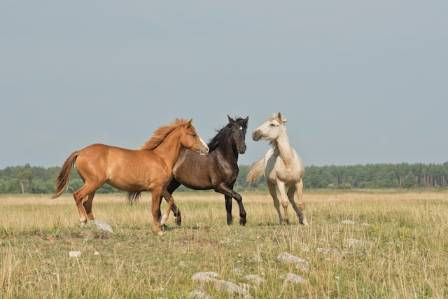
Horses Have Extremely Fast Reactions
As animals that can be hunted by predators, horses have evolved impressive reflexes. When a threat appears, they can react almost instantly.
A horse can move from a stationary position to delivering a powerful kick in approximately 0.3 seconds. In comparison, the average human reaction time is around 1.6 seconds.
Newborn Foals Can Move Quickly After Birth
Foals are surprisingly developed when they enter the world. Within only a few hours after birth, they are usually able to stand, walk, and even run.
This early mobility is essential because young horses are especially vulnerable to predators. Being able to follow their mothers and escape danger quickly greatly improves their chances of survival.
Horses Are Highly Intelligent Creatures
Horses are intelligent animals capable of learning a wide variety of behaviors through training methods such as positive reinforcement and clicker training.
Research has shown that horses can communicate their needs to humans. In one study, horses learned to use symbols on a board to indicate whether they wanted a blanket placed on them or removed.
Horses Come in Many Colors and Patterns
Horses display a wide range of coat colors and markings. Some have spots, others have patches of different colors, while some have a single main body color combined with unique markings on their faces or legs.
Each coat pattern and color has its own specific name. A horse’s breed also plays an important role in determining its appearance and coloration.
Horses Have Ancient Origins
The earliest known ancestors of modern horses are believed to have appeared about 55 million years ago. These early relatives were surprisingly small, approximately the size of a Labrador retriever.
Humans began domesticating horses around 6,000 years ago, based on evidence discovered at archaeological sites. Since then, horses have become one of the most important domesticated animals in human civilization.
Horses Are Social Animals That Build Strong Bonds
Horses are naturally social creatures that feel safer when living in groups. They form close relationships with other members of their herd and use their senses to recognize familiar companions.
Within a herd, horses cooperate with one another. While some individuals rest, eat, or sleep, another horse may remain alert and act as a lookout for possible threats.
Protecting the Future of Horses
Canada breeds, raises, and transports horses overseas for slaughter. For many years, supporters have worked to end the live export of horses for this purpose by signing petitions and contacting government representatives.
Although these efforts have brought attention to the issue, continued public support remains important. Keeping the welfare of horses in mind helps ensure that these remarkable animals receive the protection and respect they deserve.
इसी जंगल से और

· en
How to Paint a Watercolor Swan
Daniel Brooks
· hi
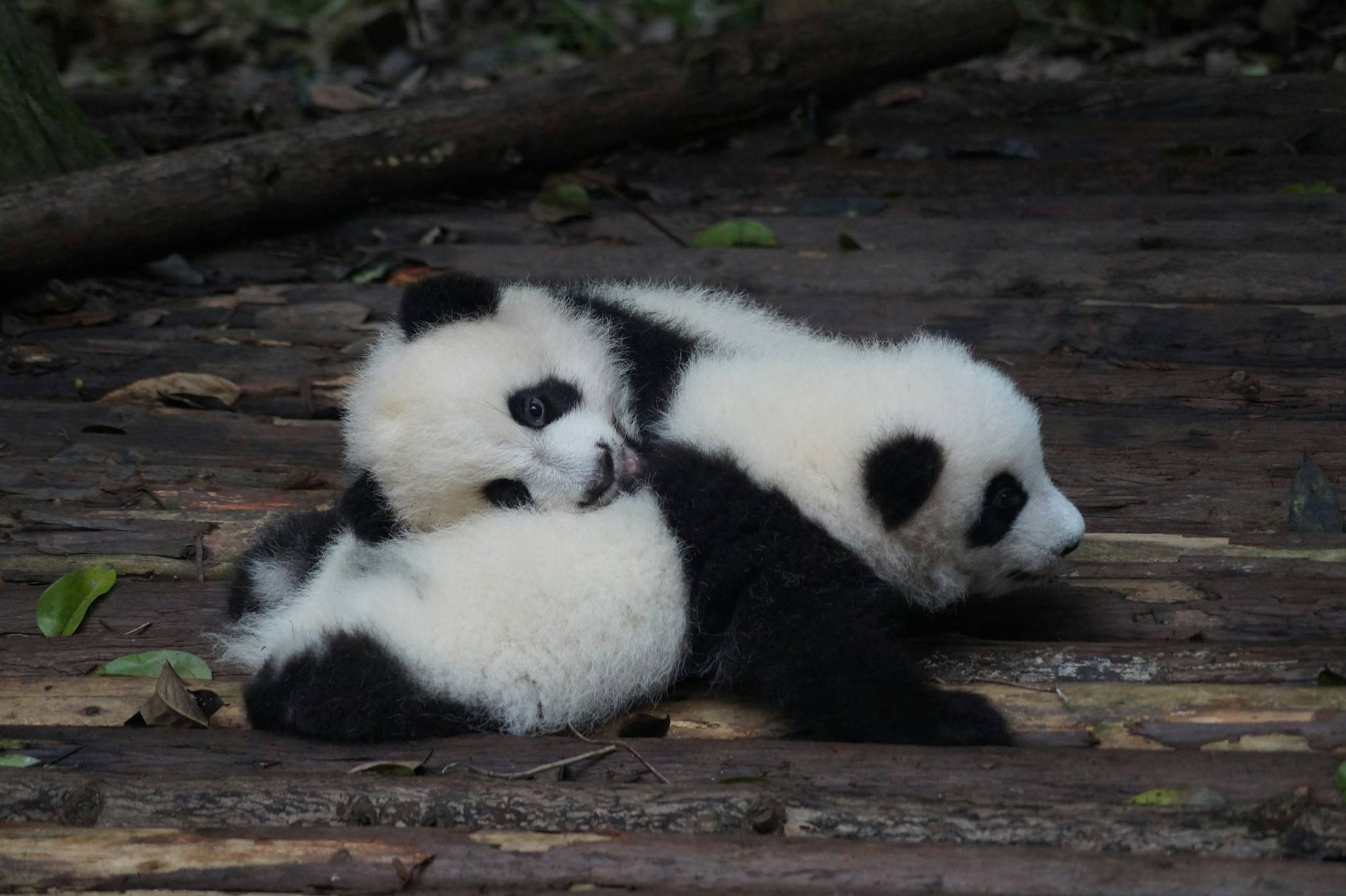
अटलांटा अब के लिए पांडा देखने के लिए हम में एकमात्र जगह है। लेकिन विदेशों में दर्जनों धब्बे उनके पास हैं
जूली वॉटसन

· en
A Good Bowl of Borscht Can Change Your Life
Benjamin Ravenswood

· hi
आधुनिक मिनिमलिज़्म: अपनी खुद की कलर ब्लॉक वॉल आर्ट बनाने के लिए एक गाइड
शांतनु पाल

· hi
लाल गुलाब प्रेम और रोमांस का प्रतीक हैं। पेश है लाल फूलों वाले गुलाबों की हमारी पसंदीदा किस्में।
अक्षय

· hi
सबसे ज़्यादा ग्रीन और ब्लू रन वाले स्की रिज़ॉर्ट 2025/2026
गीता