फील्ड रिपोर्ट
How to Paint a Watercolor Swan
Birds and other wildlife are among the most popular themes for watercolor painting. However, when it comes to depicting a swan, artists often face a subtle challenge: how do you represent a white bird on white paper without losing its form and depth?
Daniel Brooks
लेखक
प्रकृति नोट
नीचे पूरी वन्यजीव कहानी या रिपोर्ट पढ़ें।
विषय
वन्यजीव
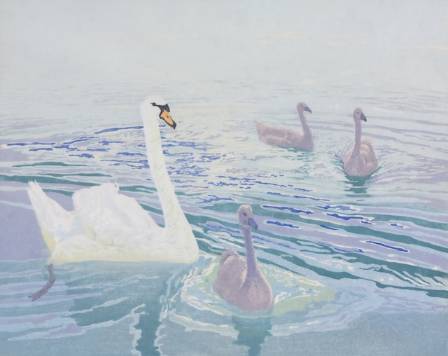
Birds and other wildlife are among the most popular themes for watercolor painting. However, when it comes to depicting a swan, artists often face a subtle challenge: how do you represent a white bird on white paper without losing its form and depth?
The key lies in understanding light, shadow, and layering techniques. Another important trick is to paint the surrounding water first, since it helps define the shape of the swan. Even though swans appear white, careful observation shows that shadows and reflections reveal many soft tones. Below is a step-by-step approach to creating a watercolor swan painting.
Step 1: Prepare Your Art Supplies
Before beginning, make sure you have the right materials ready. If you already work with watercolor, most items may already be in your collection. However, masking fluid is especially important for preserving white areas.
You will need:
Watercolor paper
Watercolor paints
Brushes in different sizes
Pencil and eraser
Masking tape
Masking fluid
Two containers of clean water
Paper towels
Some artists also prefer watercolor markers instead of traditional paint sets, which can be used depending on personal preference.
Step 2: Choose a Reference Image
Using a reference image is highly recommended, even for experienced artists. It helps maintain accuracy in proportions, lighting, and posture.
You can find free reference photos on platforms such as Pixabay, Pexels, or Unsplash. Select a swan image that clearly shows water movement and lighting, as this will make the painting process easier.
Step 3: Draw the Basic Outline
Start by lightly sketching the swan’s shape on your watercolor paper. Focus on overall structure rather than fine details at this stage.
Keep your pencil lines soft, since watercolor layers will cover them and they cannot easily be erased afterward.
Step 4: Apply Masking Fluid
Using a dedicated brush (not one used for painting), carefully apply masking fluid over the swan’s body.
This step protects the white areas of the paper so they remain untouched when painting the background. Once dry, it creates a barrier that preserves highlights.
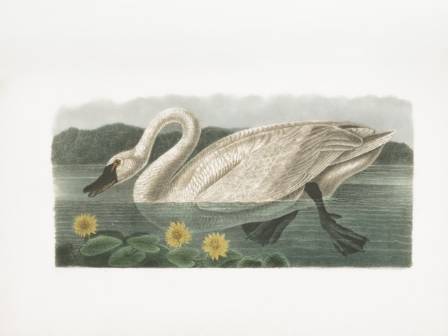
Step 5: Paint the Water Background
After the masking fluid has dried, begin working on the water surrounding the swan.
Lightly wet the paper using a large brush, then apply a diluted blue wash. The paint should follow the natural flow of water shown in your reference image.
Instead of creating a flat color, vary the tones and leave small gaps of white space to suggest movement, ripples, and reflections.
Step 6: Add Reflections
Once the water layer is completely dry, begin painting the reflection beneath the swan.
Mix a deeper shade of blue, often with hints of gray or muted tones, and gently apply it below the bird. This reflection helps anchor the swan into the scene and adds realism and depth.
Step 7: Paint the Swan
Now remove the masking fluid carefully once all surrounding areas are dry. You can gently lift it off using a fingernail or soft tool.
Start adding soft gray tones to define shadows across the swan’s body. Although the subject is white, subtle shading is essential to show form and volume.
Finally, add details such as the eye and the orange beak to complete the focal point of the painting.
Completing the Scene
After finishing your swan, you can expand the artwork into a full landscape. Add elements such as sky gradients, reeds, trees, or additional birds to enrich the composition.
Watercolor painting allows for endless experimentation, and each natural element requires slightly different techniques. By practicing individually and combining them later, you can build a complete and harmonious nature scene.
Enjoy exploring and developing your watercolor skills through this graceful subject.
इसी जंगल से और

· en
The Remarkable Origins and History of Holography
Chloe Harrison

· en
Our Guide to Styling a Child's Room
Abigayle
· hi
शीर्ष 10 प्राकृतिक चमत्कार
मोहेन
· en
Horse care
Ella Robinson
· en
Elite Sustainable Seafood Appetizers for Game Day Celebrations
Hugo Sebastian Waverly
· hi
न्यूयॉर्क शहर के प्रतिष्ठित मूर्तियाँ और स्मारक
ऋचा