← मुख्य पन्ना1 मिनट का पाठ
फील्ड रिपोर्ट
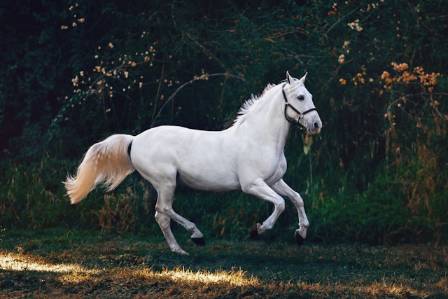
Horse care
Diet Composition: Horses require a diet rich in roughage, primarily from grass and high-quality hay that is free from dust and mold.
E
Ella Robinson
लेखक
प्रकृति नोट
नीचे पूरी वन्यजीव कहानी या रिपोर्ट पढ़ें।
विषय
वन्यजीव
Nutritional Needs
Diet Composition: Horses require a diet rich in roughage, primarily from grass and high-quality hay that is free from dust and mold.
Water Access: Clean, unfrozen water should be available at all times.
Salt Supplementation: Providing a trace mineral/salt block helps meet nutritional requirements.
Feeding Guidelines: Horses should consume 2–2.5% of their body weight daily in hay and supplemented feeds. Monitor weight and adjust feeding as needed.
Veterinary and Hoof Care
Veterinary Visits: Schedule at least one annual check-up for a comprehensive health evaluation.
Hoof Maintenance: Consult a farrier every six to eight weeks for hoof trimming and shoeing as needed.
Housing and Environment
Shelter: Ensure horses have access to shelter that protects them from extreme weather.
Exercise: Provide regular opportunities for movement to maintain physical health.
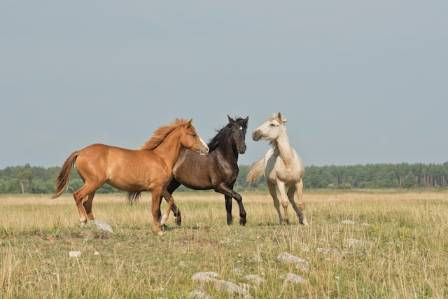
Socialization: Horses are social animals; housing them with companions can prevent loneliness.
Additional Resources
Toxic Plants: Be aware of plants toxic to horses, such as azaleas and yews, and ensure they are not accessible.
Winter Care: In colder climates, remove snow from paddocks and apply sand to icy areas to prevent slips.